
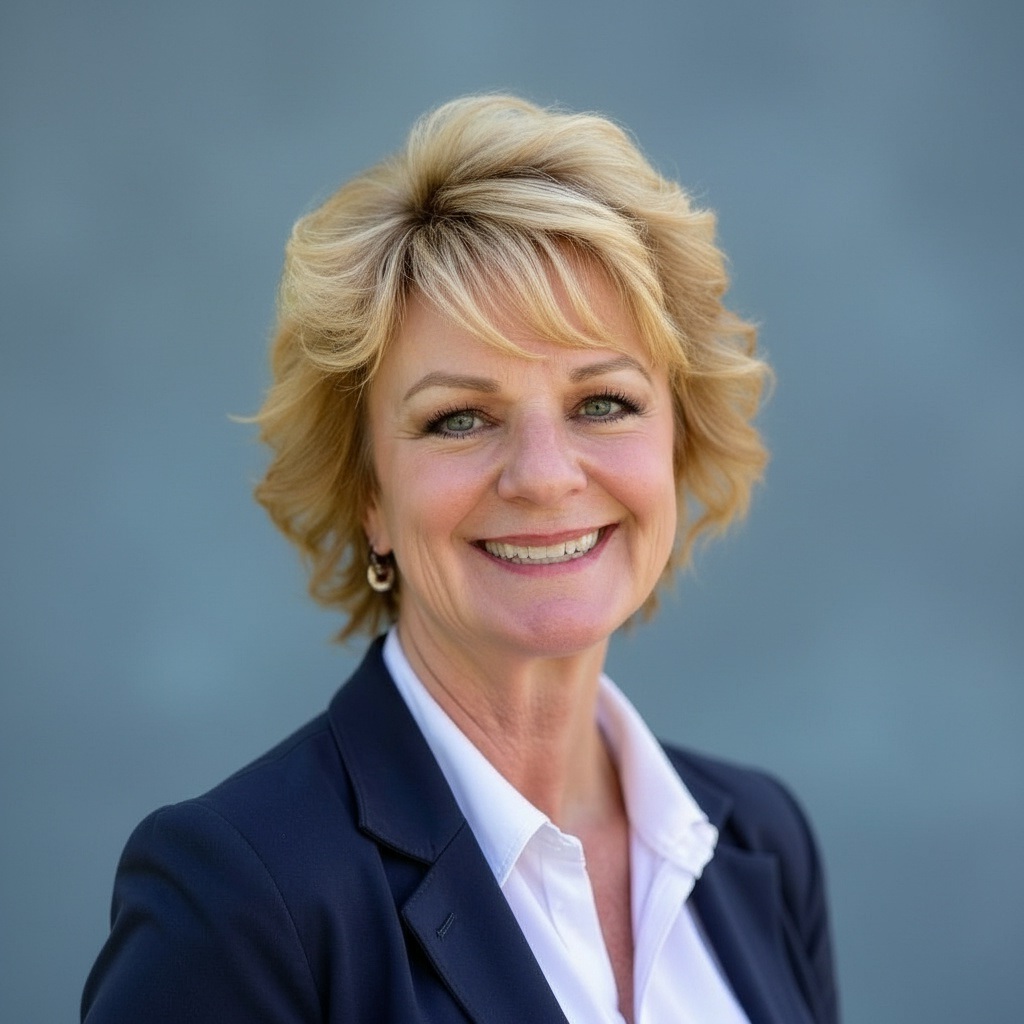
 Cynthina S. Heinsohn
AI Needs Wisdom
There is a lot of excitement around what AI can do right now, and much of it is deserved. AI can process information quickly, recognize patterns, summarize activity, recommend next steps, and help people move through work more efficiently.
But I keep coming back to one thought: intelligence and wisdom are not the same thing.
That distinction matters because the conversation inside companies is changing. We are moving from, “How can AI help us?” to, “Now that we have AI, shouldn’t we be able to do more with less?”
That sounds logical until you actually work with AI.
AI can give us more information, more ideas, more recommendations, and more output. But someone still has to decide what matters, what fits the situation, and what should happen next.
A late task is a simple example. AI can tell you the task is overdue. But it may be late because someone missed a deadline, because the team is waiting on an approval, because another dependency slipped, or because leadership has not made a decision.
The data can look the same while the situation is completely different.
That is where wisdom begins to matter.
A Summary Is Helpful, but It Is Not the Same as Insight
Most organizations do not suffer from a lack of information. They have plenty of it — emails, dashboards, spreadsheets, meeting notes, status updates, and now AI-generated summaries.
What is often missing is a clear understanding of what all of that information means.
Imagine walking into a leadership meeting and seeing eight overdue tasks. At first glance, it looks like a performance problem. But then you discover that seven of those tasks are waiting on the same approval.
Now the problem is different.
The eight overdue tasks are information. Seeing the single decision behind them is insight. Knowing whether to escalate, adjust the timeline, change the scope, or accept the delay requires judgment.
That is where AI becomes more useful — not by pretending to make every decision for us, but by helping us see the situation more clearly.
Work Is More Connected Than It Appears
Work rarely happens in neat, separate pieces. One missed approval can affect several tasks. One staffing decision can impact multiple initiatives. A project can look busy while very little is actually moving forward.
That is why activity alone does not tell us enough.
We need to understand what is connected, where momentum is slowing, what is waiting on a decision, and what else will be affected if nothing changes.
AI can help surface those relationships. But understanding what to do with them still depends on context.
The most efficient option is not always the best one. The fastest answer may create a larger problem elsewhere. A technically correct recommendation may not fit the people, customer, timing, or broader situation.
That is where wisdom becomes more than context. It is the ability to take information, judgment, experience, consequences, and human realities and apply them to the decision in front of us.
AI Should Strengthen Human Judgment
I do not think the real opportunity with AI is removing people from the process.
We should absolutely automate repetitive work where it makes sense. But the more interesting opportunity is helping people spend less time figuring out what happened and more time deciding what to do about it.
Think about how many meetings begin with, “Where does this stand?”
Then someone checks email. Someone else opens a spreadsheet. Another person thought the team was waiting on someone else.
The meeting becomes an investigation.
What if AI helped us do that part before the meeting?
Everyone could walk in already understanding what changed, what stalled, where risk is increasing, and where a decision is needed.
Then the conversation can move to something more valuable: why did it happen, what are our options, who will be affected, and what is the right thing to do next?
That is where human judgment matters most.
What It Looks Like in the Real World
One of the ways we are applying this thinking inside HelixSync is through Zella, our AI project insights assistant.
Zella looks across the work already happening in a project — milestones, readiness gates, ownership, dates, status changes, dependencies, and Pulse signals — and helps bring those pieces together into a clearer picture.
But the goal is not for her to simply read the dashboard back to you.
If eight tasks are overdue, telling a leader there are eight overdue tasks is reporting. The more useful question is what those tasks are telling us.
Zella may recognize that several of them are connected to the same readiness gate and that the gate is waiting on one approval. Now the picture changes from “eight late tasks” to “one unresolved decision affecting multiple areas of the project.”
That is much more useful.
A leader can also use Zella before a project review to understand what changed, where work is slowing, what may be causing the delay, and where attention is needed.
But there is an important boundary.
Zella can identify patterns and surface relationships. She cannot know every conversation, customer relationship, organizational dynamic, or business reason behind a decision.
That still requires people.
The purpose is not to remove human judgment. It is to give people a clearer picture before they use it.
Intelligence Finds Patterns. Wisdom Understands What They Mean.
AI will continue to become more capable and more deeply embedded in the way we work. That is a good thing.
But intelligence alone is not enough.
AI can recognize patterns, surface risks, and recommend what may happen next. Wisdom is what helps us understand what those signals mean in a real situation and how they should be applied.
That requires judgment, experience, timing, relationships, values, and an understanding of consequences. Two situations can look almost identical in the data and still require very different responses.
That is what makes the relationship between people and AI so important.
AI can help us see more, sooner. People still decide what matters and what to do with what they see.
Maybe the better question is not how much more work AI can help us produce, but how much better it can help us think, decide, and lead.
Because intelligence is powerful.
Wisdom is knowing how to use it.
AI needs wisdom.
At HelixSync, this is the way we are thinking about AI.
We want AI to help people see what is happening across the work, recognize patterns sooner, and understand where attention is needed. But the final judgment still belongs to the people who understand the business, the relationships, and the consequences.
That is the role we are building Zella to play: not to replace judgment, but to give judgment a clearer picture.
See how HelixSync brings project insight into the work.
Comments
Loading comments…